In April 2025, Brawl Stars introduced a community campaign whose acronym initially raised eyebrows: the P2W event. The label did not mean pay-to-win. It stood for the Play to Win Community Event, a ten-day push that asked the entire player base to rack up takedowns across every game mode. Although the original window closed on April 24, 2025, the event remains a notable benchmark for community milestones, uncapped rewards, and cross-mode participation. For players looking back in 2026, it is best understood as a completed chapter rather than an active promotion, but its design still offers useful context for how Supercell structures large-scale community goals.
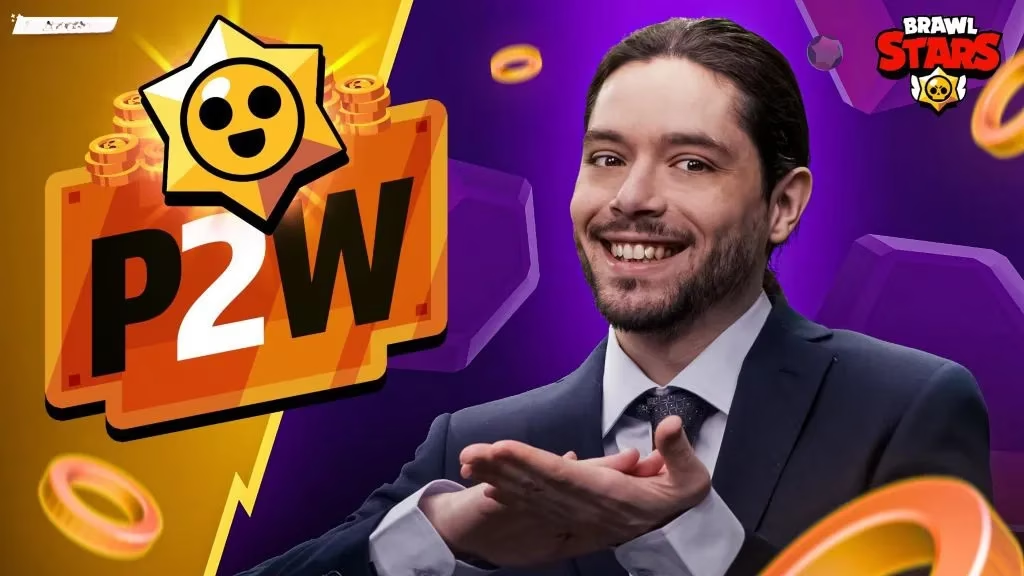
The premise was deliberately simple. Every takedown counted, regardless of whether it happened in Gem Grab, Brawl Ball, Knockout, or any other mode. The community did not need to complete special quests or use specific Brawlers. The only instruction was to keep playing and eliminate opponents. That accessibility helped the event stand apart from more complicated community campaigns such as Brawlentines, DeadGame, and the 100StarrDrops Community events.
How the milestone system worked
Each milestone required one billion takedowns from the global community. There was no reward cap, which meant continued play could keep pushing the community toward additional tiers. Rewards were generally delivered with the next daily Shop refresh, while the Ultra Trophy Box followed a different schedule and arrived only after the event ended. That distinction mattered for players who expected every prize to appear immediately.
| Element | Detail |
|---|---|
| Event name | Play to Win Community Event (P2W) |
| Active window | April 14 to April 24, 2025 |
| Core action | Takedowns in any game mode |
| Milestone target | 1 billion community takedowns per milestone |
| Reward delivery | Next Shop daily refresh, except the Ultra Trophy Box after the event |
| Top highlighted reward | Ultra Trophy Box |
| Giveaway | 5 winners; 12 Brawl Passes Plus, plus 10 to share |
| Bonus events | Double XP, Mastery Madness, Double Daily Starr Drops, Coin Shower |
The no-cap structure gave the campaign a different feel from a standard limited-time quest. Players were not merely chasing a personal checklist. They were contributing to a shared number, and every match had a small role in the larger total. That social layer turned ordinary takedowns into a community scoreboard. 🎯
The giveaway and bonus events
Brawl Stars also attached a giveaway to the campaign. Players could share their best play on social platforms with the hashtag #BrawlStarsP2W for a chance to win a full year of Brawl Pass Plus, equal to 12 Brawl Passes Plus. Five winners were to be announced after the event ended. The prize package also included 10 Brawl Passes Plus for the winners to share with friends, which reinforced the community theme beyond the takedown counter.
In-game bonus events arrived every two days. These included Double XP, Mastery Madness, Double Daily Starr Drops, and a Coin Shower. The rotating schedule gave players reasons to return during the ten-day window even after their personal progression goals were complete. For many participants, the combination of takedown milestones, premium-style rewards, and frequent bonus events made the campaign feel unusually generous. 🔥
Why the event still matters in 2026
By 2026, the original P2W event is no longer active. Players cannot contribute new takedowns to its 2025 milestones or claim its rewards through the old window. Any similar revival would need to be confirmed through the in-game News tab, official patch notes, or current event screens. That timing matters because community events often return in altered forms, and old reward structures should not be assumed to apply to future campaigns.
Even so, the Play to Win Community Event remains a useful reference point. It showed how Brawl Stars could turn a simple action into a shared objective, how an uncapped reward track could sustain engagement, and how bonus events could complement a global counter. The acronym may have looked provocative at first, but the campaign itself was built around participation rather than spending. For players reviewing the game’s event history, it stands as a memorable example of community-scale design. ✅