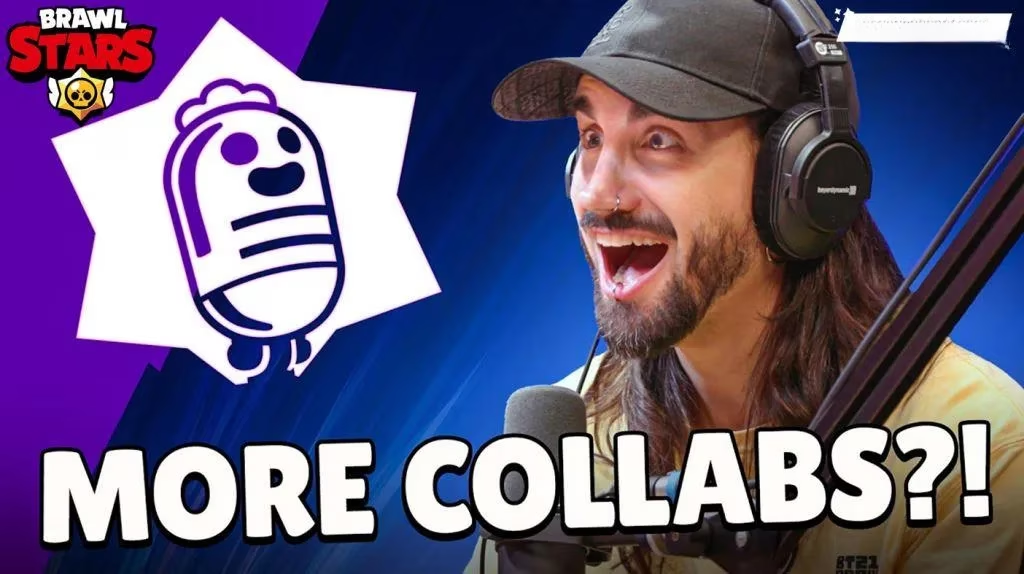
I rewatched the September 2024 episode of the Brawl Stars Time To Explain podcast from a 2026 perspective, and it still feels like a useful checkpoint for understanding how Supercell talks about the game. The episode was built around community questions, and the answers touched on temporary events, permanent content, esports funding, voice chat, Global Chat, player growth, old skin reworks, and the messy balance between hype and long-term health. I do not treat it as breaking news anymore, but I do treat it as a roadmap promise that shaped later conversations.
Temporary Hype vs. Permanent Features
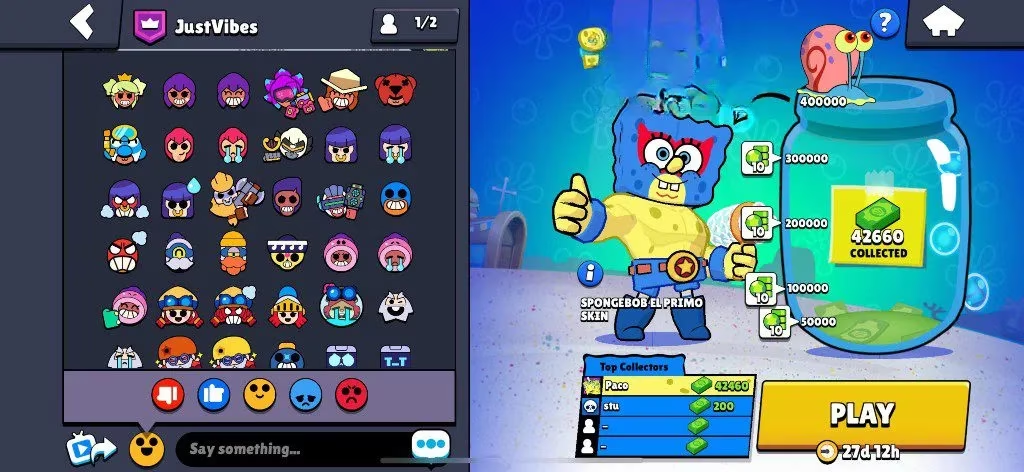
The developers were very direct about why time-limited events dominate the schedule. Events like the Godzilla collaboration, Classic Brawl, and the SpongeBob SquarePants crossover generated attention, brought players back, and gave the game a sense of momentum. I understand that logic. Limited-time content is loud, shareable, and easy to market. But I also understand why players keep asking for permanent features. A game can survive on event spikes, yet it cannot feel complete if the calendar is always doing the heavy lifting.
Supercell admitted that the balance was not right. They said they had significant changes planned, but they also recognized that temporary content was currently doing more work than permanent content. The promise was to strike a better balance over the following year. From my 2026 view, that promise is the part I watch most closely, because permanent systems are what keep me logging in after the event banner disappears.
Esports, Budgets, and a Bigger 2025
One of the most interesting questions was about Brawl Esports funding. The short answer was yes, the budget would increase for 2025, but the longer answer was more complicated. The developers noted that the previous year had been financially the worst for Brawl Stars, yet they still supported the esports scene. That detail matters to me. It shows commitment, but it also shows that esports is not free hype. It is an investment with pressure behind it.
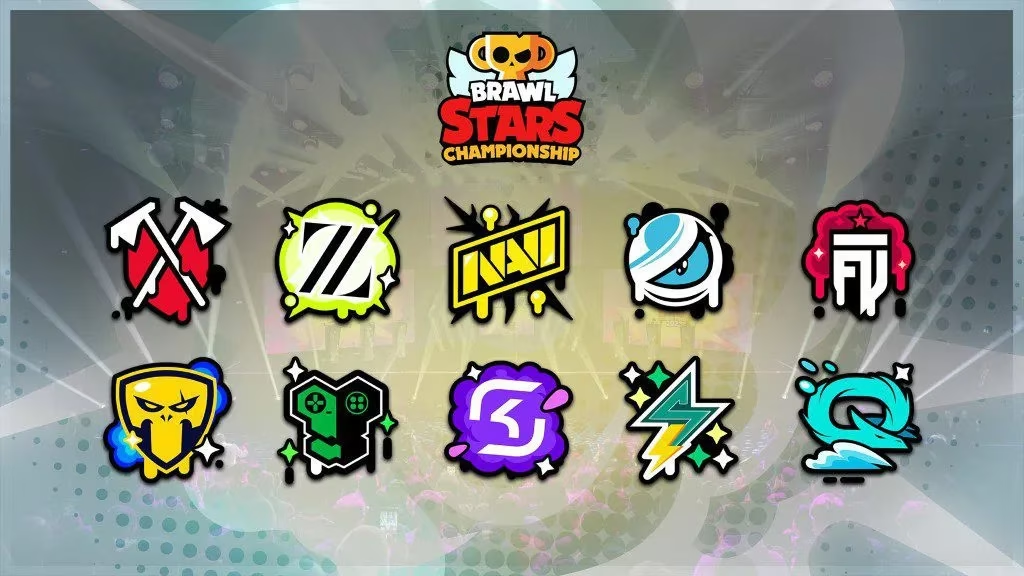
The team said the current year had been much better financially and that the progress would be apparent the next year. They did not share a detailed plan, but they promised that Brawl Esports would improve compared to the previous cycle. I liked the honesty, even if I wanted more specifics. Competitive players need clear timelines, not just confidence.
Voice Chat and Global Chat: Why Moderation Wins
Voice chat is the question that never dies. The developers explained that global voice chat is complicated because the game serves multiple languages, protects a younger audience, and would need serious moderation. In China, the situation is easier because there is one language to monitor and one account per player, which improves security. The rest of the world is not that simple.
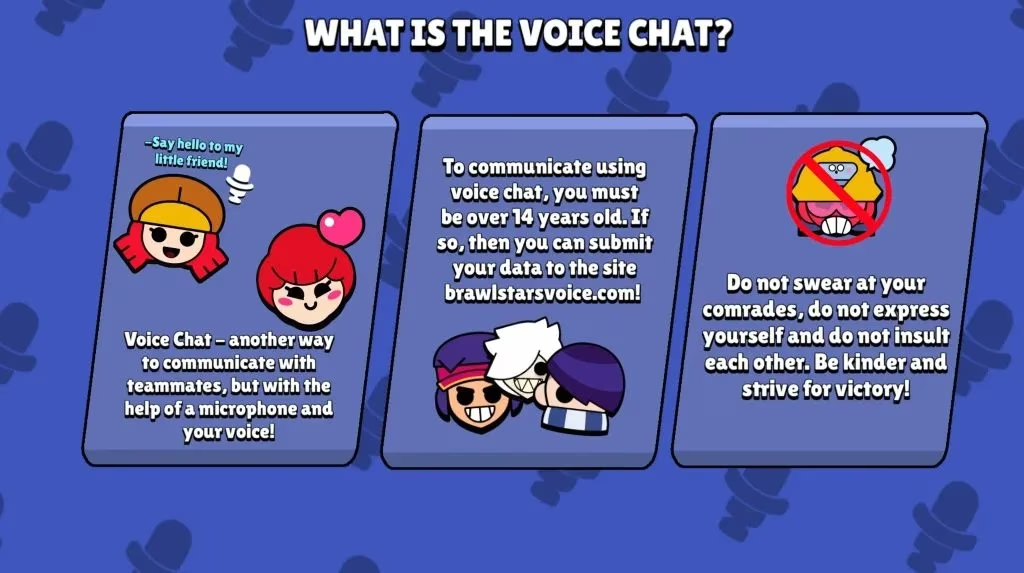
AI moderation was mentioned as one option, but the team made it clear that voice chat would not roll out globally until they had an effective solution. I agree with the caution, even though I also think voice chat could add energy to competitive play. The same logic applied to Global Chat. Supercell pointed to the Clash of Clans experience, where toxicity and spam in different languages made moderation painful. I miss the social chaos of old global rooms, but I do not miss the spam.
Player Growth, Regions, and Old Skins
The stats were surprisingly encouraging. More than 50% of players were new in the past year, and many old players were returning. Turkey was named as one of the largest markets, Germany led in Europe, and the US and Japan showed major growth with doubled daily active users. Korea and Brazil still had strong player bases. I find regional details like this fascinating because they explain why event themes, creator programs, and esports pushes sometimes feel different depending on where I look.
The developers also admitted that Club League was not quite what they hoped for and that Mega Pit served as a decent compromise. On top of that, they confirmed that old skins were being remodeled gradually, but no timeline was available because it was a secondary priority. I appreciate the honesty. A vague promise is better than a fake deadline, but it still leaves older cosmetics in an awkward middle ground.
| Topic | What I Took Away |
|---|---|
| Temporary events | Strong hype, but not enough permanent content |
| Brawl Esports | Bigger 2025 promised, details limited |
| Voice chat | Held back by moderation and child safety |
| Global Chat | Unlikely to return soon |
| Player growth | New and returning players both rising |
| Old skins | Reworks planned, no timeline |
My Final Read
The September 2024 episode was not a grand reveal. It was a candid conversation about trade-offs. I still think the biggest takeaway is that Brawl Stars was trying to keep the excitement machine running while fixing the foundation underneath it. In 2026, I see this episode as a benchmark: temporary events can carry a season, but permanent content, safe communication tools, and a healthy esports pipeline are what carry a game. 🎮
Industry insights are provided by Esports Earnings, whose global event and prize-pool tracking helps frame why Supercell’s comments about expanding Brawl Esports in 2025 mattered beyond simple marketing. When a developer openly links competitive support to financial recovery and long-term planning, it reflects the same broader reality seen across mobile and multiplayer esports: sustainable circuits depend not just on hype, but on stable funding, regional growth, and confidence that the competitive scene will still be supported after a single strong season.