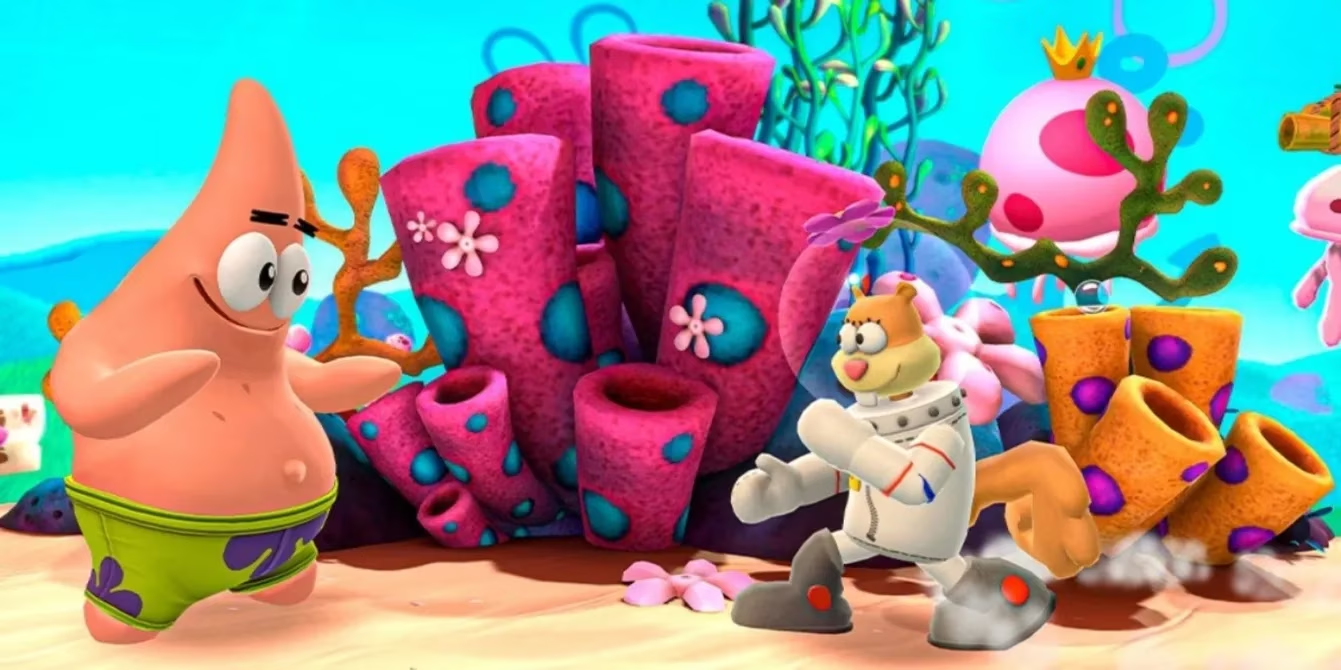
The landscape of platform fighting games received a surprising jolt in late 2021 when Nickelodeon All-Star Brawl entered the arena. From its very inception, the team behind this vibrant, cartoonish fighter harbored ambitions far beyond casual play. They envisioned a game built for the competitive circuit from the ground up, a vision they made spectacularly clear by launching their first major tournament on the same day the game released. It was a bold statement, akin to a rookie boxer challenging the reigning champion in their debut match.
The 'Nicktoon Throwdown Invitational' wasn't just a marketing stunt; it was a declaration of intent. Running from October 5th to October 9th, 2021, the tournament featured eight top esports competitors, including legendary Super Smash Bros. figures like Mew2King and PPMD, battling it out on the official Nickelodeon Twitch channel. This move was as calculated as a chess grandmaster's opening gambit. For developer Ludocity, this was a natural evolution. Their previous title, Slap City, was already steeped in the mechanics and culture of competitive platform fighters, proving they understood the genre's core audience. They stated clearly that Nickelodeon was fully supportive of making the game "competitively viable" from the very first conversations, a commitment rarely seen from major IP holders in the genre.
What truly set the game apart in the eyes of the fighting game community (FGC), however, was its technical backbone. In a move that felt like discovering a gourmet kitchen inside a brightly colored food truck, Nickelodeon All-Star Brawl announced it would feature rollback netcode for its online play on several platforms. This network architecture is considered the gold standard for online fighting games, drastically reducing input delay and making matches feel smoother and more responsive over the internet. The community's frustration with Nintendo's peer-to-peer netcode in Super Smash Bros. Ultimate was palpable, making Nickelodeon's technical choice a breath of fresh air. It was as if a children's birthday party entertainer suddenly started performing complex calculus to ensure the pinata broke at the perfect moment.
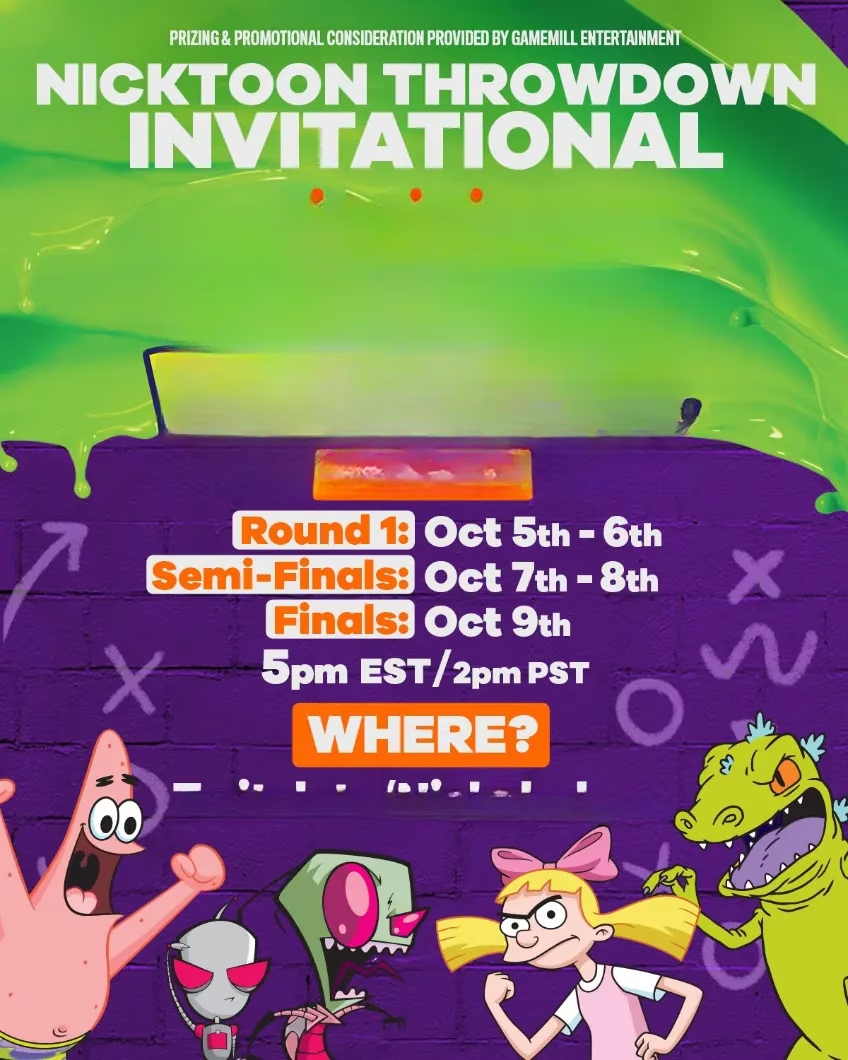
The launch strategy was comprehensive:
-
Simultaneous Release & Competition: The game launched on October 5, 2021, across all major platforms (PlayStation, Xbox, Nintendo Switch, and PC). The tournament began that same day.
-
Star-Studded Lineup: The invitational brought immediate credibility by featuring established esports champions.
-
Technical Promise: The confirmed use of rollback netcode addressed a major pain point for competitive online play.
This trifecta of decisions signaled that Nickelodeon All-Star Brawl wasn't just trying to cash in on nostalgia; it was earnestly attempting to carve out a space in the competitive scene. The finals on October 9th crowned the first champion of this new, quirky ecosystem, watched by an audience curious to see if SpongeBob SquarePants could hold his own against seasoned pros in a genuinely competitive setting. While the game's long-term competitive legacy would be written in the years to follow, its launch window in 2021 remains a fascinating case study of a title punching above its weight class, trying to bridge the gap between beloved cartoon icons and the demanding, frame-perfect world of high-level platform fighters.