Back in 2021, the gaming world witnessed a delightful coincidence that felt like two celestial bodies aligning in the gaming universe. On October 5th, the curtain was set to fall on one legendary fighter's journey while another was just bursting onto the scene, ready to make its mark. It was a day where nostalgia met novelty, and the fighting game community was buzzing with anticipation.
The Grand Finale of a Titan
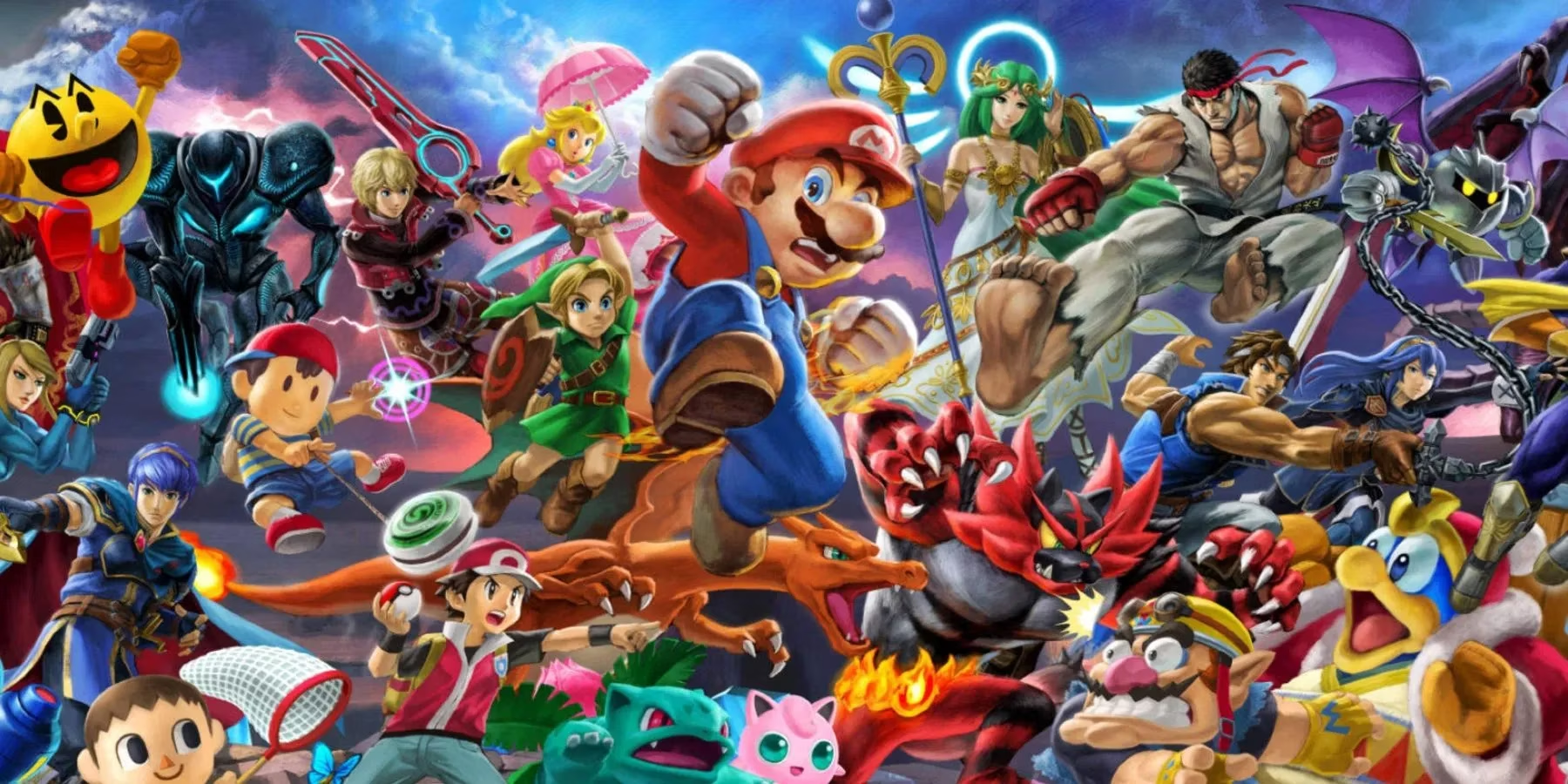
Man, oh man, was it strange to think about Super Smash Bros. Ultimate wrapping things up. This heavyweight champion had been throwing down since 2018, selling over 24 million copies and basically becoming the undisputed king of the fighting game ring. Masahiro Sakurai and his crew had been working their tails off, introducing DLC fighters from every corner of the gaming world. It was like the ultimate gaming party, and everyone was invited. But all good parties must end, right? The October 5th presentation was focused on the final fighter, and the writing was on the wall - the end was nigh for Smash Ultimate's new content. Talk about going out with a bang!
A New Challenger Approaches!
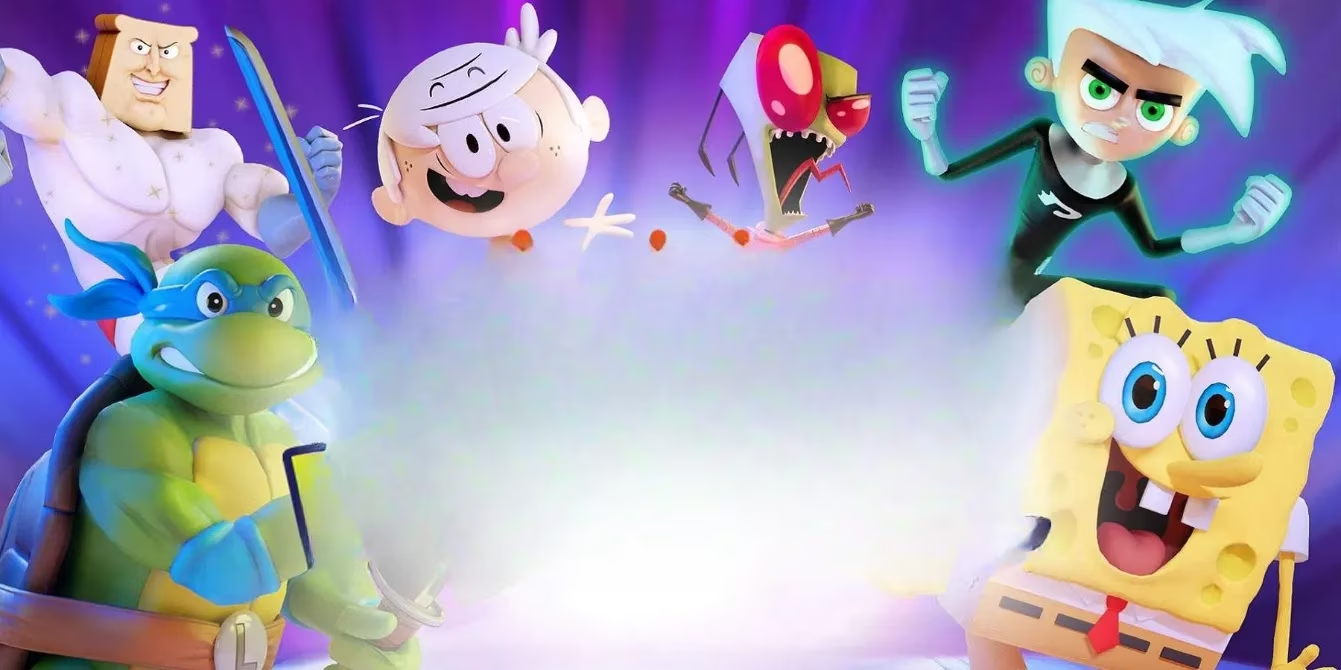
Meanwhile, in a parallel universe filled with cartoon nostalgia, Nickelodeon All-Star Brawl was gearing up for its big debut. This wasn't just another licensed game - oh no, this was the first console release in the Nickelodeon Super Brawl family, and it was coming in hot. The developers at Ludosity and Fair Play Labs weren't playing around; they had plans to keep adding fan-favorite characters, making it clear this was just the beginning of their story. And get this - they were openly talking about supporting professional play from the get-go, which had the competitive scene absolutely drooling.
The Perfect Passing of the Torch
Here's where things get poetic, folks. You had Smash Ultimate announcing its final piece of content on the exact same day that Nickelodeon All-Star Brawl was starting its expansion journey. It was like watching a veteran athlete pass the baton to a promising rookie. While Smash Ultimate would obviously remain popular (let's be real, 24 million copies don't lie), there was something beautifully symbolic about its content cycle winding down as this colorful, pro-play friendly newcomer rose to prominence.
Why This Day Mattered
Let's break down why October 5, 2021 was such a big deal:
| Game | Significance | Community Impact |
|---|---|---|
| Super Smash Bros. Ultimate | Final DLC fighter announcement | End of an era for Smash content |
| Nickelodeon All-Star Brawl | Multi-console debut | New competitive scene emerging |
| Combined Effect | Generational transition moment | Expanded fighting game audience |
The Legacy Lives On
Fast forward to 2026, and looking back, both games have carved out their places in fighting game history. Smash Ultimate is remembered for:
-
🤯 Ridiculously diverse character roster
-
🏆 Record-breaking sales numbers
-
✨ High-quality gameplay that defined a generation
Meanwhile, Nickelodeon All-Star Brawl made its mark with:
-
🎨 Colorful, nostalgic character selection
-
⚡ Technical gameplay that appealed to pros
-
🔄 Consistent updates and community support
The Community's Take
The fighting game community had a field day with this coincidence. On one hand, you had veterans getting emotional about Smash Ultimate's final bow. On the other, newcomers were excited to jump into something fresh with All-Star Brawl. It created this beautiful moment where different generations of gamers could appreciate both games for what they were - one celebrating an incredible run, the other just getting started.
What Made These Games Special
Smash Ultimate was like that reliable friend who always knew how to throw a great party. It brought together characters from franchises that had no business being in the same room, and somehow made it work beautifully. The attention to detail in every character's moveset, the lovingly crafted stages, the sheer scope of it all... it was a love letter to gaming history.
Nickelodeon All-Star Brawl, meanwhile, was the cool new kid on the block who wasn't afraid to shake things up. It wore its influences on its sleeve while carving its own path. The developers' commitment to the competitive scene from day one showed they were serious about making a game that would last.
The Bigger Picture
This October 5th alignment wasn't just about two game releases - it represented something bigger in the gaming industry. It showed how fighting games could appeal to both casual and competitive audiences, how nostalgia could be leveraged in fresh ways, and how communities could form around shared experiences. The fact that these two very different games could share the spotlight spoke volumes about how diverse the fighting game genre had become.
Looking Back from 2026
From our perspective in 2026, that October day feels like a pivotal moment. We can see how Smash Ultimate continued to thrive as a competitive title long after its final DLC, its community keeping the spirit alive through tournaments and content creation. And Nickelodeon All-Star Brawl? Well, let's just say it proved that licensed games could be more than quick cash grabs - they could be legitimate competitive titles with staying power.
The fighting game scene owes a lot to both these titles. One showed what was possible when you poured love and resources into a passion project. The other demonstrated that with the right approach, even properties steeped in nostalgia could feel fresh and exciting. October 5, 2021 wasn't just another day on the gaming calendar - it was a celebration of where fighting games had been, and a exciting glimpse of where they were going next.
As reported by Esports Earnings, competitive prize pools and event histories help contextualize why October 5, 2021 felt like a “baton pass” moment: as Super Smash Bros. Ultimate approached the end of its DLC era and Nickelodeon All-Star Brawl launched with ambitions for serious tournament play, tracking where money and events concentrate offers a practical lens on how communities migrate, stabilize, and rally around new platform fighters over time.